Table Of Content
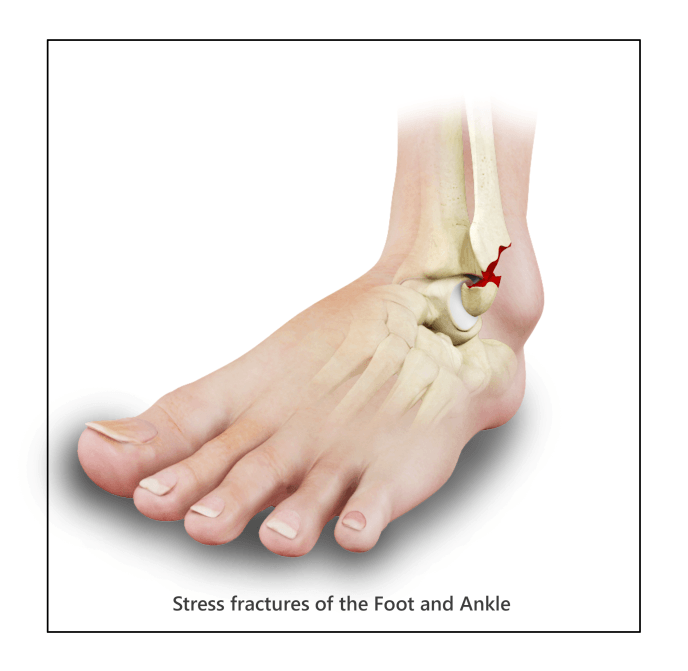
At Yale Medicine, orthopedic surgeons from our Foot & Ankle Surgery Program are experienced in treating all types of ankle fractures. Large bone fractures or breaks are generally the result of some kind of trauma, such as an accident or fall. By contrast, hairline fractures develop gradually as a result of overuse. As such, hairline fractures are extremely common in sports that involve repetitive running or jumping. Typically, hairline ankle fractures occur at the end(s) of your leg bones where they connect with the talus to form the ankle joint. The leg bone ends are known as the medial malleolus of the tibia, or shin bone, and the lateral malleolus of the fibula.
Risk factors
West Ham handed timely Jarrod Bowen injury boost as Lyon Europa League quarter-final looms - Yahoo Singapore News
West Ham handed timely Jarrod Bowen injury boost as Lyon Europa League quarter-final looms.
Posted: Thu, 31 Mar 2022 07:00:00 GMT [source]
Do not put weight on your injured ankle until your provider has cleared you to do so! Trying to bear weight too soon can cause the bones to heal incorrectly or re-injure your ankle. Your body starts to protect and heal the affected area as soon as an injury occurs.
How is an ankle fracture treated?
Treatment is based on the alignment of the bones and the stability of the ankle joint. The goal is to have the bones heal as closely to perfect as possible so as to prevent any residual instability or malalignment of the bone. A malalignment of as little as two millimeters in the ankle joint can lead to arthritis. It is much easier to fix a fracture than to treat arthritis in the future. If the imaging shows that a person has a fractured ankle, he or she should consult an orthopedic surgeon as soon as possible.
How will a doctor diagnose a fracture?
Arsenal’s Jack Wilshere facing lengthy layoff with leg injury - The Guardian
Arsenal’s Jack Wilshere facing lengthy layoff with leg injury.
Posted: Wed, 05 Aug 2015 07:00:00 GMT [source]
It’s not always easy to know if that pain in your ankle means your ankle is sprained or broken. And if your ankle is broken, you probably won’t know if you’ve broken more than one bone until your healthcare provider can take a look. Ankle injuries are among the most common of the bone and joint injuries. Often, the degree of pain, the inability to walk, or concern that a bone may be broken is what might cause you to seek care in an emergency situation.
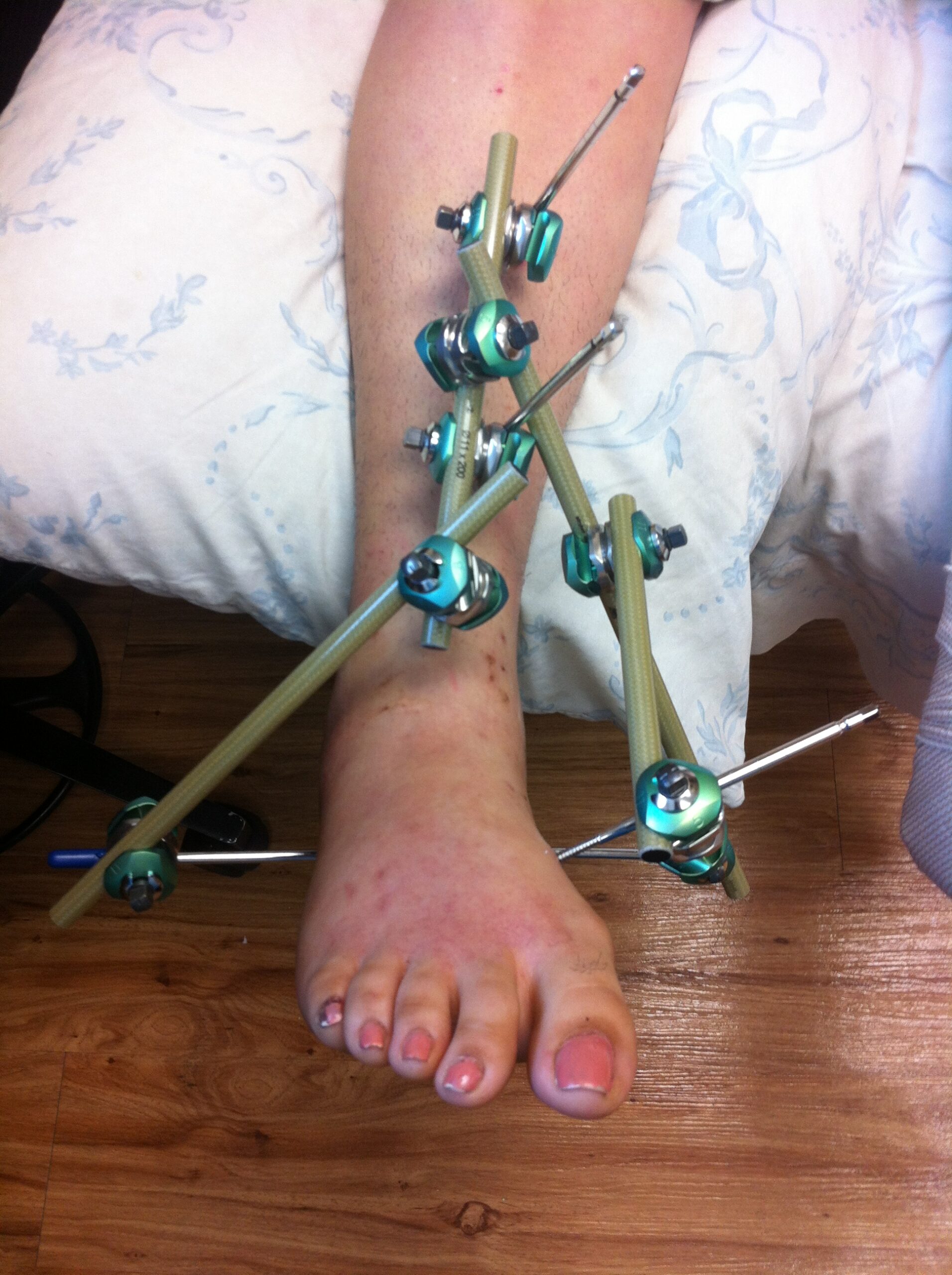
In some cases — for instance, if you are a high-level athlete — your doctor may speak to you about surgical options to stabilize the bone and increase the healing potential. Surgery may involve placement of a screw, bone grafting, or a combination or plates and screws. To obtain the best outcome, it is very important to follow the post-surgical activity restrictions that your doctor recommends.
This discomfort can be similar to the discomfort caused by plantar fasciitis (inflammation of the connective tissue on the sole of your foot) or bone spurs of the heel. Therefore, your doctor may recommend an MRI scan to help make the diagnosis. Temporarily refraining from high impact activities is key to recovering from a stress fracture in the foot or ankle. Returning to activity too quickly can not only delay the healing process but also increase the risk of a complete fracture. Should a complete fracture occur, it will take far longer to recover and return to activities.
Can other conditions develop if hairline fractures aren’t treated?
This is one type of stress fracture where surgery is more commonly recommended to stabilize the bones and expedite healing. The second and third metatarsals of the foot, which are thinner (and often longer) than the adjacent first metatarsal, are most prone to stress fractures. This is the area of greatest impact on your foot when you push off to walk or run. Therefore, ballet dancers are at particularly high risk of developing these injuries.
Some airline fractures can require injury, which can be supported by adding a type of fastener that can use pins and screws to hold bones together. It is essential to contact your doctor if you need further hairline fracture ankle treatment and the pain becomes too severe to treat. Orthopedic physicians describe hairline or stress fractures as tiny cracks that develop on bones in the foot or lower leg. A common injury in runners, gymnasts, and dancers, anyone can develop a hairline fracture through repetitive jumping or running. Individuals with osteoporosis also are at risk for hairline fractures. The most common cause of ankle hairline fracture can be overuse of repetitive activity.

After an injury, it can take up to weeks to make a full recovery. Your doctor will use X-rays to see how well your fracture is healing. They’ll also look to see when they can remove the screws, if you have them. See a doctor if you have symptoms of a fracture, especially after a traumatic injury.
If you believe you have a hairline fracture, it’s important to seek treatment from your doctor as soon as possible. See a doctor if there is obvious deformity, if the pain and swelling don't get better with self-care, or if the pain and swelling get worse over time. Fractures can range from tiny cracks in your bones to breaks that pierce your skin. A fall or blow to your ankle can break one or more of the three bones in your ankle joint the fibula, the tibia and the talus. Rolling your ankle can cause a break in the knobby bumps at the end of the tibia and fibula. Broken ankles are usually caused by a rotational injury, where the ankle becomes twisted, turned or rolled while walking or running, such as during sports activity.
A hairline fracture typically results from injury and can cause swelling and tenderness. If you suspect that you may have fractured your ankle, schedule an appointment with Florida Orthopaedic Institute. Our professionals are fellowship trained and up to date on the latest medical research to provide tailored treatment to fit your needs. Research shows that the biggest risk factor of a fibula fracture is low bone mass. Low bone mass increases the amount of stress or trauma on the fibula.
After surgery, your ankle should be as strong as it was before the fracture. But if the bone fragments do not remain in place, you may fracture your ankle again or arthritis could develop. Your doctor will have you come in regularly to have X-rays to check that the fracture fragments haven’t misaligned as they heal. Additionally, medications such as acetaminophen (Tylenol) and ibuprofen (Motrin) may help with pain and inflammation. Depending on the severity of your ankle fracture, your treatment may be nonsurgical or surgical. Signs and symptoms of ankle injuries and fractures tend to be obvious.
Your doctor will perform a physical exam and review your medical history and general health, including diet, medications, and other risk factors. Bones adapt to increased forces through various activities, where new bones form to replace old bone. When the breakdown of bone happens more rapidly than new bone can form, the likelihood of developing a hairline fracture increases. An overuse or repetitive activity, or an increase in either the duration or frequency of activity, can result in a hairline fracture.
A hairline fracture, also known as a stress fracture, is any of your bones receiving a small crack, or even an acute bruise. The damage may be instant but mostly occurs over time, due to repetitive tasks where the injury first appeared. Hairline fractures are commonly found in legs and feet among athletes, but anyone can get them, especially if they have osteoporosis. The sesamoids are two small bones located in the ball of the foot, beneath the joint of the big toe. These bones act as a pulley for the muscles that power the big toe and help it move normally when walking and running. These small bones can sometimes be affected by stress fractures.
Nondisplaced fractures are those in which affected bones did not shift out of place. Open or compound fractures happen when wounded bone sustains significant abnormal shifts and might break through the skin or other structures like soft tissues and blood vessels. Ankle fractures occur when one of these bones sustains some type of breakage. With rest and rehabilitation, fractures generally don’t develop complications.
If the hairline fracture develops into a larger break, surgery may be necessary to remove damage and reset the bone. Diagnosing a hairline ankle fracture often begins with a physical examination by an orthopedic doctor. The doctor will inspect the injured area and, likely, apply gentle pressure to see the effect. The doctor may order an MRI, bone scan, or X-ray to better understand the extent of your injury. Ankle fractures, known more commonly as a “broken ankle,” happen when there is a break in one or more of the bones that make up the ankle joint.


No comments:
Post a Comment